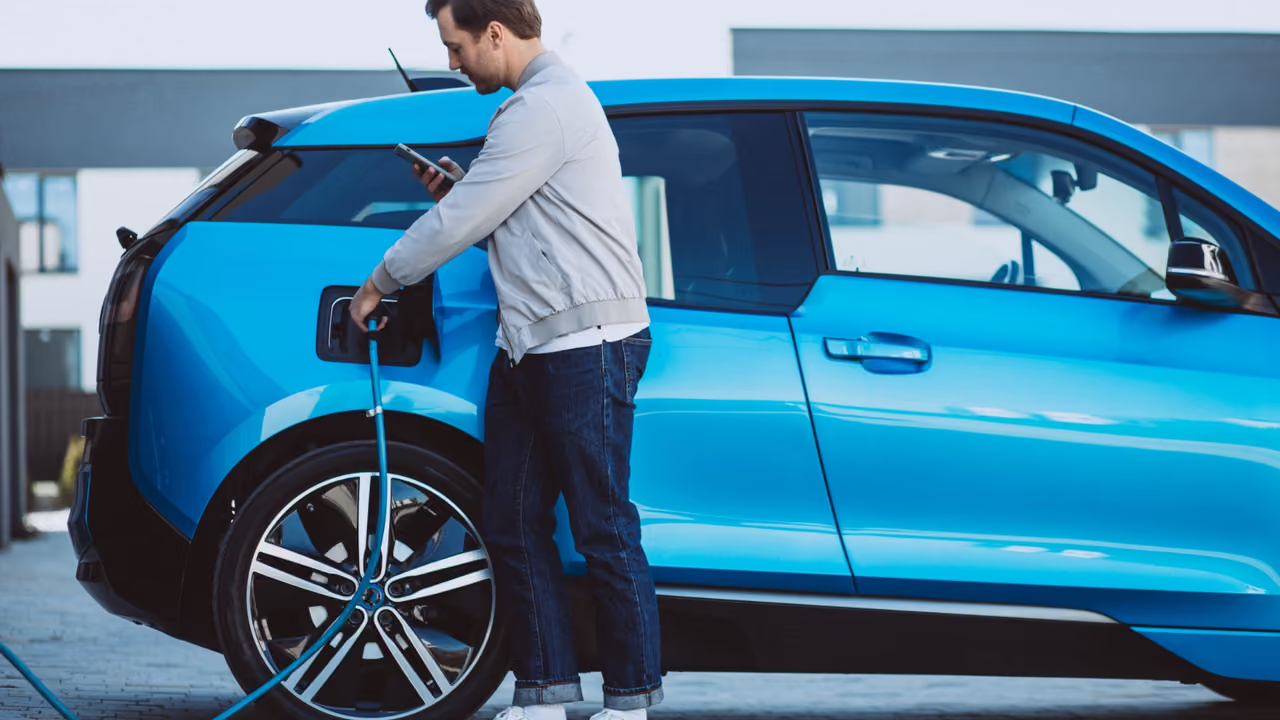
What happens to electric car batteries once they’ve powered hundreds of thousands of miles? As electric vehicles (EVs) become more mainstream, the question of how to handle their massive battery waste is gaining urgency. The answer lies in pushing battery recycling innovations to the forefront of sustainability efforts.
The rising importance of battery recycling in EV adoption
Electric vehicles are celebrated for reducing tailpipe emissions, but behind the scenes, their batteries pose a significant challenge. These lithium-ion batteries contain valuable metals like lithium, cobalt, and nickel, which are finite resources with complex and often environmentally damaging mining processes. As EV sales surge globally, so does the volume of used batteries entering the waste stream.
Battery recycling isn’t just an environmental necessity; it’s becoming a critical factor in the long-term viability of the EV market. Without efficient recycling systems, the industry risks supply bottlenecks and increased costs for raw materials. More importantly, improper disposal can lead to hazardous waste concerns. Recognizing this, manufacturers and policymakers are increasingly prioritizing battery recycling as an integral part of EV adoption strategies.
Technological advancements in EV battery recycling methods
Traditional battery recycling methods often involve pyrometallurgical processes, which burn batteries at high temperatures to recover metals. This approach, however, is energy-intensive and not always efficient in reclaiming all valuable materials. In recent years, new technologies have emerged that promise higher recovery rates and lower environmental impacts.
Hydrometallurgical recycling
This method uses aqueous solutions to leach metals from shredded battery material. It can recover lithium, cobalt, nickel, and manganese with a much lower carbon footprint compared to smelting. Companies are refining this process to increase yield and reduce chemical waste, making it a more sustainable option.
Direct recycling
Perhaps the most exciting breakthrough is direct recycling, which preserves the cathode material’s structure and chemistry. Instead of breaking down the battery into raw elements, this method refurbishes and restores cathode compounds for reuse in new batteries. Direct recycling dramatically cuts down processing steps, reduces energy consumption, and maintains material quality, potentially revolutionizing battery lifecycle management.
Automation and AI integration
Another leap forward is the integration of automation and artificial intelligence in battery disassembly and sorting. Automated systems can safely dismantle batteries and separate components with precision, improving throughput and worker safety. AI helps optimize recycling processes by predicting material composition and guiding recovery techniques, making recycling operations smarter and more economical.
Economic and environmental benefits of improved recycling
Efficient battery recycling delivers tangible economic advantages. First, it reduces dependency on mining, which is often geopolitically sensitive and environmentally damaging. Recovering metals from used batteries can lower raw material costs for manufacturers and stabilize supply chains.
Environmentally, recycling lessens the impact of mining activities, including habitat destruction, water pollution, and carbon emissions. It also mitigates the risk of toxic battery components leaching into soils and waterways. Furthermore, repurposing battery materials contributes to a circular economy, where resources are continuously reused rather than discarded.
From a consumer perspective, improved recycling can eventually translate into more affordable EVs. As reclaimed materials enter the supply chain, battery production costs may decrease. This could accelerate EV adoption, amplifying the environmental benefits of electric transportation.
The future outlook Circular economy potentials in the EV sector
The vision for the EV industry extends beyond just driving cleaner cars; it involves creating a sustainable lifecycle for batteries. Circular economy principles emphasize designing products for longevity, easy disassembly, and material recovery. Automakers are increasingly designing batteries with recycling in mind, using modular components and standardized chemistries to simplify refurbishment and recycling.
Second-life applications are also gaining traction. Used EV batteries, while no longer optimal for driving, still retain substantial energy capacity and can be repurposed for stationary energy storage. This extends the batteries’ useful life and defers entry into recycling streams.
Policy frameworks worldwide are evolving to support circularity. Extended producer responsibility laws compel manufacturers to take back and recycle batteries, while incentives for recycling innovation encourage investment in new technologies. Collaborative efforts between automakers, recyclers, and governments are crucial to scaling recycling infrastructure.
Ultimately, the transition to electric vehicles offers a unique opportunity to rethink resource use in the automotive sector. Battery recycling innovations are not just about waste management—they’re about transforming how we source, use, and regenerate critical materials for a more sustainable future.