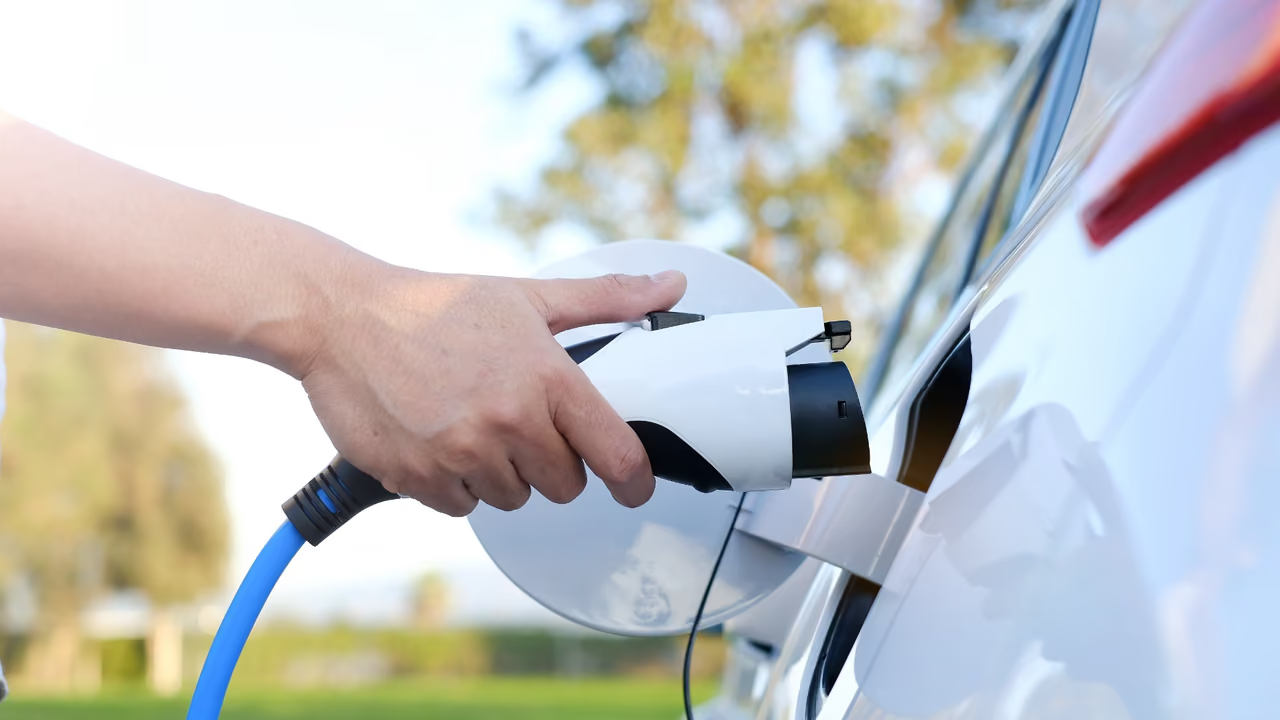
Can smart EV charging really transform how we pay for electricity and ease the burden on power grids?
What is Smart EV Charging
Electric vehicle (EV) charging has come a long way from simple plug-and-charge setups. Smart EV charging refers to systems that intelligently manage when and how an EV draws power. Instead of charging whenever the vehicle is plugged in, smart chargers communicate with the grid, the vehicle, and sometimes even the home energy system to optimize charging times and rates.
These chargers use software algorithms, real-time data, and connectivity features to adjust charging based on factors like electricity prices, grid demand, and renewable energy availability. The goal is to charge vehicles efficiently and cost-effectively without overwhelming the electrical infrastructure.
Benefits of Smart Charging for Consumers
At its core, smart charging puts money back in the pockets of EV owners. Here’s how:
- Lower Energy Costs: Smart chargers take advantage of off-peak electricity rates by scheduling charging during times when demand and prices are lower. This can significantly reduce the cost per kWh for drivers.
- Maximizing Renewable Energy Use: Some smart charging systems sync with solar panels or wind energy production. By charging when renewable output is high, EV owners can effectively use greener energy and reduce reliance on fossil-fueled power.
- Extended Battery Life: Smart chargers can moderate charging speed and avoid excessive high-power charging cycles that degrade batteries faster. This subtle control helps preserve battery health over time.
- Convenience and Control: Many smart chargers come with apps or interfaces that let drivers monitor charging status, set preferences, and receive alerts. This transparency makes managing EV charging simple and user-friendly.
How Smart Charging Supports the Electricity Grid
Electric grids were not originally designed for thousands of EVs plugging in simultaneously. Without coordination, this surge in demand can cause peak load spikes, stress infrastructure, and even lead to outages or higher emissions from peaker plants. Smart charging addresses these issues by:
- Load Balancing: By staggering charging times, smart systems spread the electricity demand more evenly throughout the day and night. This reduces peak loads and helps utilities maintain grid stability.
- Demand Response: Some programs allow utilities to remotely adjust charging rates or pause charging during critical periods. This flexibility can prevent blackouts and reduce the need for costly grid upgrades.
- Grid Services: Advanced smart chargers participate in vehicle-to-grid (V2G) technology, where EVs can send stored energy back to the grid during high demand. This two-way flow can act like a mobile battery bank, supporting grid reliability.
- Integration of Renewables: Smart charging helps smooth out the intermittency of renewable energy sources. By aligning charging with periods of high solar or wind output, EVs become active players in a cleaner energy ecosystem.
Future Trends in Smart EV Charging Technology
The smart charging landscape is evolving fast, driven by innovation and the urgent need for sustainable energy management:
- Artificial Intelligence and Machine Learning: Future chargers will use AI to predict user habits, weather patterns, and grid conditions to optimize charging without manual input. This will make smart charging even more efficient and seamless.
- Widespread Vehicle-to-Grid Integration: As V2G technology matures, expect more EVs to function as energy assets, not just consumers. This could revolutionize how homes and communities manage electricity.
- Faster and Smarter Public Charging Networks: Public charging stations will incorporate smart features that balance multiple vehicles charging simultaneously, communicate with the grid, and offer dynamic pricing based on demand.
- Blockchain for Energy Transactions: Blockchain could enable peer-to-peer energy trading, letting EV owners sell excess stored energy directly to neighbors or the grid with full transparency and security.
- Integration with Smart Homes and Cities: Smart EV chargers will become part of broader connected ecosystems, coordinating with home energy management systems, smart appliances, and urban infrastructure to optimize energy use at every level.
Smart EV charging is no longer just a convenience feature—it’s becoming a critical tool for lowering costs, reducing grid stress, and accelerating the shift to renewable energy.