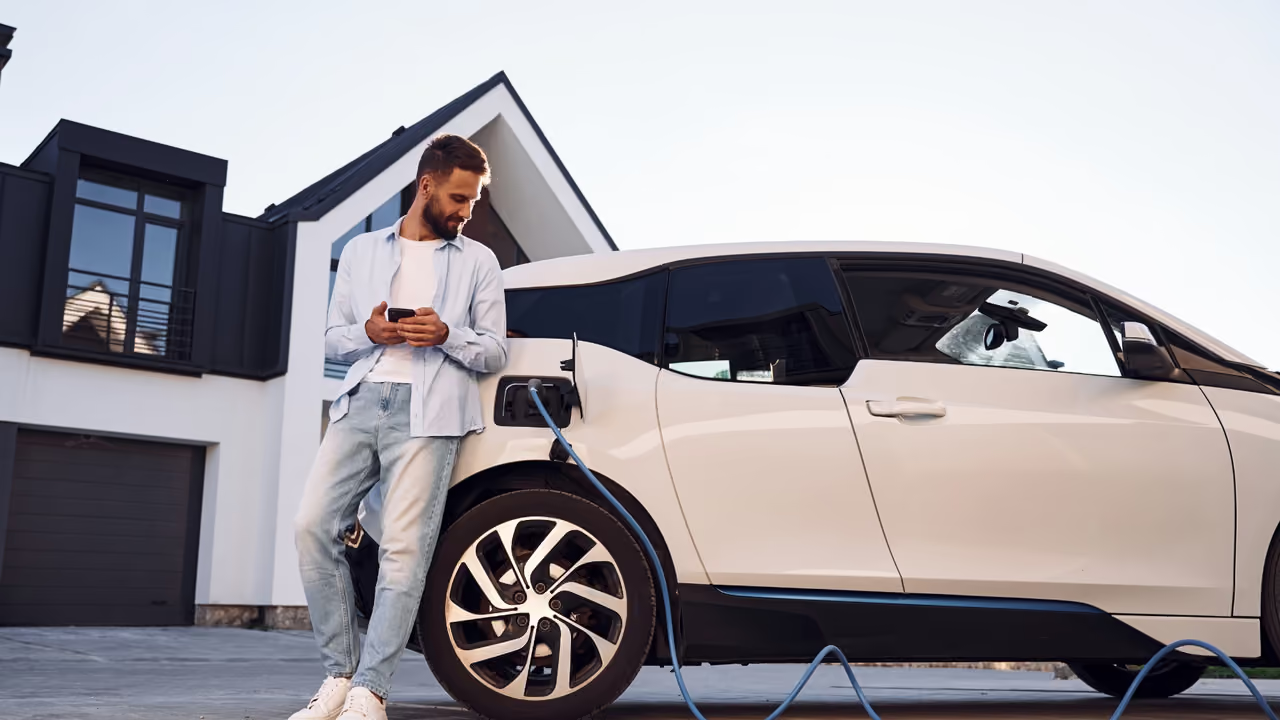
Drive down any modern highway and the hum of combustion engines is slowly being replaced by the near-silent glide of electric vehicles (EVs). This shift isn’t just changing what’s under the hood; it’s reshaping the very roads we travel on. Electric cars are pushing engineers and city planners to rethink road design and functionality in ways that were unimaginable just a decade ago.
Redesigning Roads for Electric Vehicle Compatibility
Traditional roads were built with gasoline-powered cars in mind. They didn’t account for the unique needs of electric vehicles, such as their charging requirements and electronic systems. Now, roads are being redesigned to better support EVs, starting with the integration of charging stations directly into the infrastructure.
Parking lots and roadside stopping points are being equipped with fast-charging stations, but the future goes beyond static points. Some urban planners envision roads with embedded charging capabilities, allowing vehicles to recharge while driving or stopped, reducing range anxiety and the need for large battery packs. This means road surfaces need to be durable enough to house electrical components and withstand regular maintenance without disrupting traffic.
Durability and Safety Considerations
- Material innovation: Roads now incorporate materials that can handle embedded electronics and wiring without cracking or degrading prematurely.
- Temperature regulation: Electric components generate heat. Roads must be designed to dissipate this heat safely to prevent damage and maintain performance.
- Safety protocols: Ensuring that embedded electrical parts remain safe in wet or icy conditions is critical to prevent accidents or malfunctions.
Incorporating Wireless Charging in Road Surfaces
One of the most promising developments in EV infrastructure is wireless charging embedded in road surfaces. Imagine cruising down a highway and your car’s battery topping up without plugging in. This isn’t sci-fi—it’s already being tested in pilot programs around the world.
Wireless charging uses electromagnetic fields to transfer energy from coils embedded in the road to receivers in vehicles. This technology could transform how we think about energy consumption on the go.
Challenges to Overcome
- Cost: Embedding wireless charging infrastructure is expensive and requires significant upfront investment.
- Standardization: Different car manufacturers use varying technologies. Roads must accommodate all to be truly effective.
- Efficiency: Wireless charging is less efficient than wired charging, so optimizing energy transfer is a major engineering hurdle.
Smart Traffic Management Systems Tailored for EVs
Electric cars are more than just vehicles; they’re connected devices on wheels. This connectivity allows traffic management systems to evolve, becoming smarter and more responsive to the needs of EVs.
Smart traffic lights, for example, can prioritize electric buses or cars with low battery levels to reduce unnecessary idling. Real-time data sharing between vehicles and infrastructure can optimize routes to avoid congestion and minimize energy consumption.
Key Features of EV-Friendly Traffic Systems
- Dynamic routing: Systems suggest routes based on charging station availability and traffic conditions.
- Energy-efficient signaling: Traffic lights adapt timing to reduce stop-and-go driving, saving battery power.
- Vehicle-to-infrastructure communication (V2I): EVs communicate with road sensors to anticipate changes and adjust speed accordingly.
Sustainability Benefits of EV-Friendly Infrastructure
Building road infrastructure that supports electric vehicles isn’t just about convenience—it’s an environmental imperative. EV-friendly roads contribute to sustainability in several ways.
- Reduced emissions: Encouraging EV adoption with better infrastructure directly cuts greenhouse gases.
- Optimized resource use: Smart roads can manage energy use more efficiently, minimizing waste.
- Longer vehicle lifespans: Reducing stop-and-go traffic and providing steady charging can extend battery life, lowering the environmental impact of battery production and disposal.
- Integration with renewable energy: Roads equipped with solar panels or energy capture systems can power charging stations sustainably.
The transformation of road infrastructure is a silent revolution happening beneath our tires. As electric vehicles continue to gain ground, our roads will no longer be mere strips of asphalt but smart, sustainable networks designed to power the future of transportation.