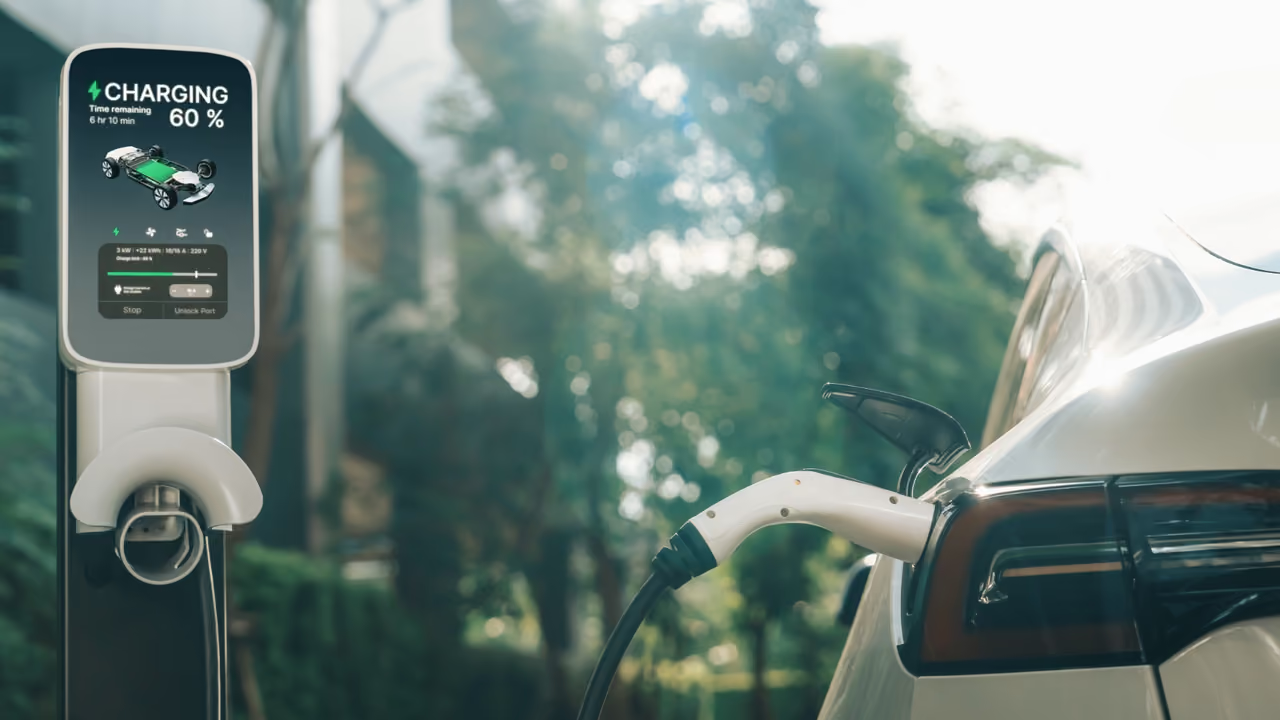
Driving through the open stretches of rural America or the quiet lanes of countryside Europe, the quiet hum of an electric vehicle (EV) is still a rarity. While cities buzz with the latest EV models and boast impressive charging networks, rural areas often lag behind in this green revolution. Yet, as electric cars gain traction, they’re beginning to reshape rural mobility and infrastructure in ways that are both challenging and promising.
Challenges and Opportunities of Electric Vehicle Adoption in Rural Areas
Rural communities face unique hurdles when it comes to adopting electric vehicles. Long distances between towns and homes mean range anxiety—a fear of running out of battery before reaching a charging point—is more pronounced. Unlike urban dwellers who can rely on multiple nearby charging options, rural drivers often have to plan trips carefully, making EVs less convenient.
Another challenge is the limited availability of EV models suited for rural needs. Pickup trucks, SUVs, and vehicles capable of tackling rougher terrain dominate rural roads, and only recently have manufacturers begun offering electric versions of these popular models. This gap has historically slowed EV interest outside cities.
Despite these difficulties, rural areas present significant opportunities for EV adoption. Many rural residents already travel less frequently and tend to own their vehicles for longer periods, making the total cost of ownership a vital factor. Electric cars, with lower maintenance and fuel costs, can be financially attractive over time. Additionally, rural households often have more space for home solar panels and private charging setups, allowing for greater energy independence.
Infrastructure Development Charging Stations Beyond the City Limits
One of the most visible barriers for rural EV drivers is the scarcity of public charging infrastructure. City centers are dotted with fast chargers, but rural highways and small towns often have only a handful of slow chargers, if any. This infrastructure gap has made long-distance travel in EVs a logistical puzzle in many rural regions.
Efforts to expand the charging network beyond urban areas are gaining momentum. Governments and private companies are investing in strategically placed charging stations along rural corridors, ensuring that drivers can travel between towns without fear of battery depletion. For example, programs subsidizing chargers in small towns and at public facilities like libraries, community centers, and grocery stores are becoming more common.
Innovative solutions tailored to rural infrastructure challenges are also emerging. Solar-powered charging stations that operate independently of the grid can serve remote locations where extending power lines is expensive. Mobile charging units and battery swap stations offer alternative ways to keep rural EV drivers moving.
Economic and Environmental Impact on Rural Communities
Electric vehicles bring more than just cleaner air to rural areas—they can also stimulate local economies. Installing and maintaining EV charging infrastructure creates jobs and encourages local businesses to attract EV-driving customers. Service providers who adapt to servicing electric vehicles can tap into a new market, diversifying rural economies often reliant on traditional sectors.
From an environmental standpoint, rural adoption of EVs can significantly reduce carbon footprints. Agriculture and resource extraction industries often operate in these areas, contributing to emissions that affect local air quality and health. As EVs replace diesel trucks and gasoline-powered cars, the cumulative reduction in pollutants can improve rural living conditions.
Moreover, rural areas are often home to renewable energy resources like wind and solar power. Integrating EV charging with local renewable energy sources can create a closed-loop ecosystem that supports sustainability goals while reducing reliance on imported fossil fuels.
Innovations Tailored for Rural Electric Mobility
Recognizing the distinct needs of rural drivers, manufacturers and startups are developing electric vehicles designed with rural life in mind. Electric pickup trucks with extended range, rugged build, and towing capacity are hitting the market, addressing the practical demands of farmers, tradespeople, and outdoor enthusiasts.
Battery technology improvements are also crucial. Longer-lasting batteries capable of withstanding temperature extremes and rougher use patterns make EVs more reliable in rural settings. Additionally, vehicle-to-grid (V2G) technology allows EVs to act as mobile energy storage units, providing backup power to homes during outages—a common concern in remote areas.
Community-based initiatives are playing a role, too. Cooperative models where neighbors share charging stations or community solar projects fund local EV infrastructure foster a sense of shared ownership and reduce individual costs. These grassroots efforts often fill gaps left by broader infrastructure investments.
Electric cars may have started as a city-centric trend, but their impact on rural mobility is quietly accelerating. The challenges are real, but so are the innovations and opportunities that could redefine transportation and energy use far from urban centers.