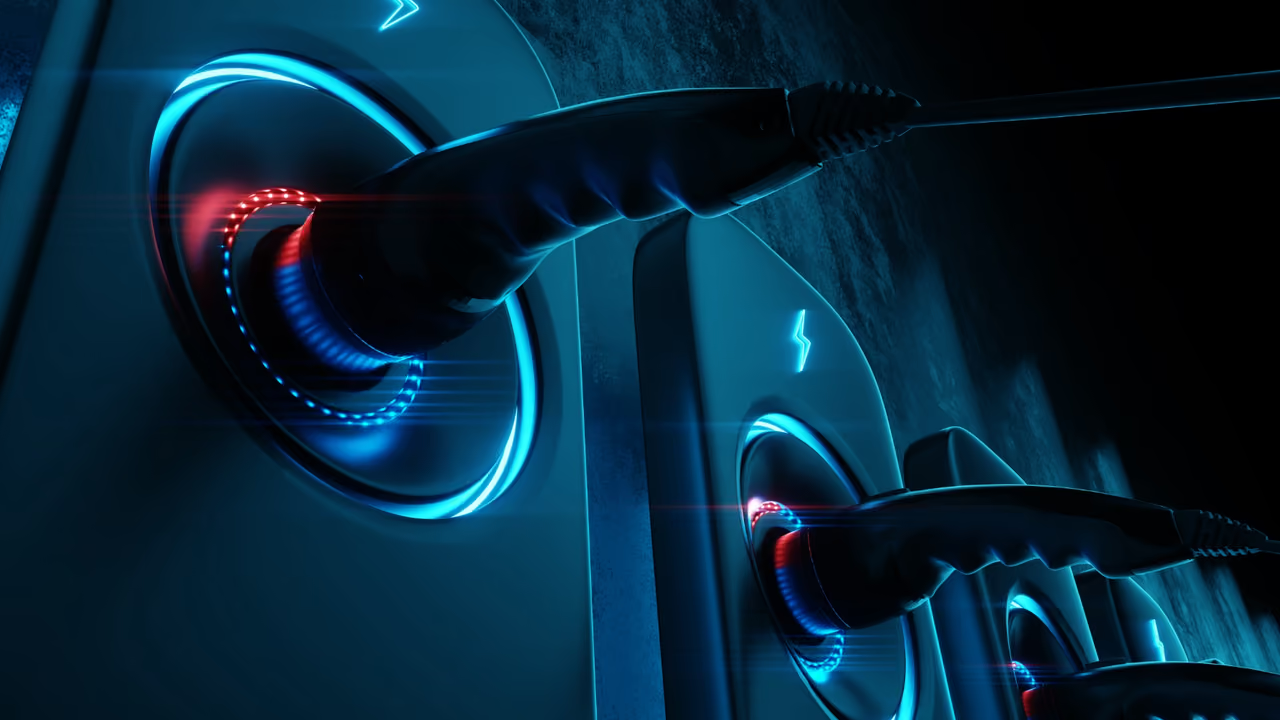
Thinking about installing an EV charging station at home but unsure where to start? As electric vehicles become more common, many homeowners are eager to set up a personal charging point. Yet, beneath the surface, installing a home EV charger involves more than just plugging in a device. From electrical infrastructure to local regulations, several hidden challenges can complicate the process. Understanding these hurdles and how to overcome them is key to a smooth installation and reliable charging experience.
Assessing Your Home Electrical Infrastructure for EV Charging Compatibility
Before you even pick out a charger, the first step is to evaluate whether your home’s electrical system can handle the load. EV chargers, especially Level 2 models, demand significant power—typically 240 volts and up to 40 amps. Many older homes were built with electrical panels designed for much lighter use.
Here’s what you need to check:
- Electrical panel capacity: Does your panel have enough available space and amperage to add a new circuit for the charger? If your panel is already maxed out, you may need an upgrade, which can be costly and time-consuming.
- Wiring condition and capacity: The existing wiring to your intended charger location must support the current. Undersized or degraded wiring is a fire hazard and must be replaced.
- Distance from panel to charging location: Longer distances require heavier gauge wires and can increase installation costs.
Hiring a qualified electrician to conduct a thorough assessment is essential. They will measure your panel’s capacity, inspect wiring, and advise if upgrades or modifications are necessary. Skipping this step can lead to underpowered chargers, frequent tripping breakers, or worse—electrical hazards.
Navigating Local Regulations and Permits for Home Charger Installation
Electrical work isn’t just about hardware; it’s also about compliance. Local jurisdictions often have specific rules and permit requirements for installing EV charging stations at home. These regulations ensure safety but can add complexity.
Common regulatory steps include:
- Permit application: Most places require a permit before installing a high-power electrical device. This ensures work is inspected and meets code.
- Utility notification: Some utility companies need to be informed, especially if the charger could impact your home’s energy consumption or if you plan to enroll in special EV-related programs.
- Inspection: After installation, a city or county inspector may need to approve the work.
Failing to secure proper permits or inspections can result in fines, complications when selling your home, or insurance issues if something goes wrong. Check with your local building department early in the process to understand exactly what’s required.
Choosing the Right Charger Type and Installation Services
Not all EV chargers are created equal, and selecting the right one depends on your vehicle, daily driving habits, and budget.
- Level 1 chargers use a standard 120-volt outlet and offer slow charging—sometimes too slow to be practical for daily use.
- Level 2 chargers require 240 volts and can typically deliver a full charge overnight. These are the most popular home options.
- Smart chargers connect to Wi-Fi and offer features like scheduling, energy monitoring, and integration with renewable energy sources.
Once you’ve picked a charger, finding a reliable electrician or specialized EV charging installer is crucial. The best installers understand EV-specific requirements like:
- Proper grounding and circuit sizing
- Weatherproofing for outdoor units
- Integration with home energy management systems
Getting multiple quotes and asking for references can help you avoid contractors who cut corners or lack EV experience. Remember, a poorly installed charger can lead to inefficiency, safety risks, and costly repairs down the line.
Maintaining Your Home EV Charger for Safety and Efficiency
Installation is just the beginning. Keeping your home EV charging station in good shape ensures safe, efficient operation for years.
- Regular inspections: Check cables, connectors, and the charger itself for signs of wear, damage, or corrosion. Pay attention to any unusual sounds or smells during charging.
- Keep it clean: Dirt, debris, and moisture can degrade charging contacts and electronics. Wipe down the unit and clear away vegetation or obstructions regularly.
- Software updates: For smart chargers, keep firmware up to date to benefit from new features and security improvements.
- Address issues promptly: If your charger trips breakers frequently or charges inconsistently, call a professional immediately rather than trying to fix electrical problems yourself.
Simple maintenance habits can prevent accidents and extend the lifespan of your charger, saving you headaches and money.