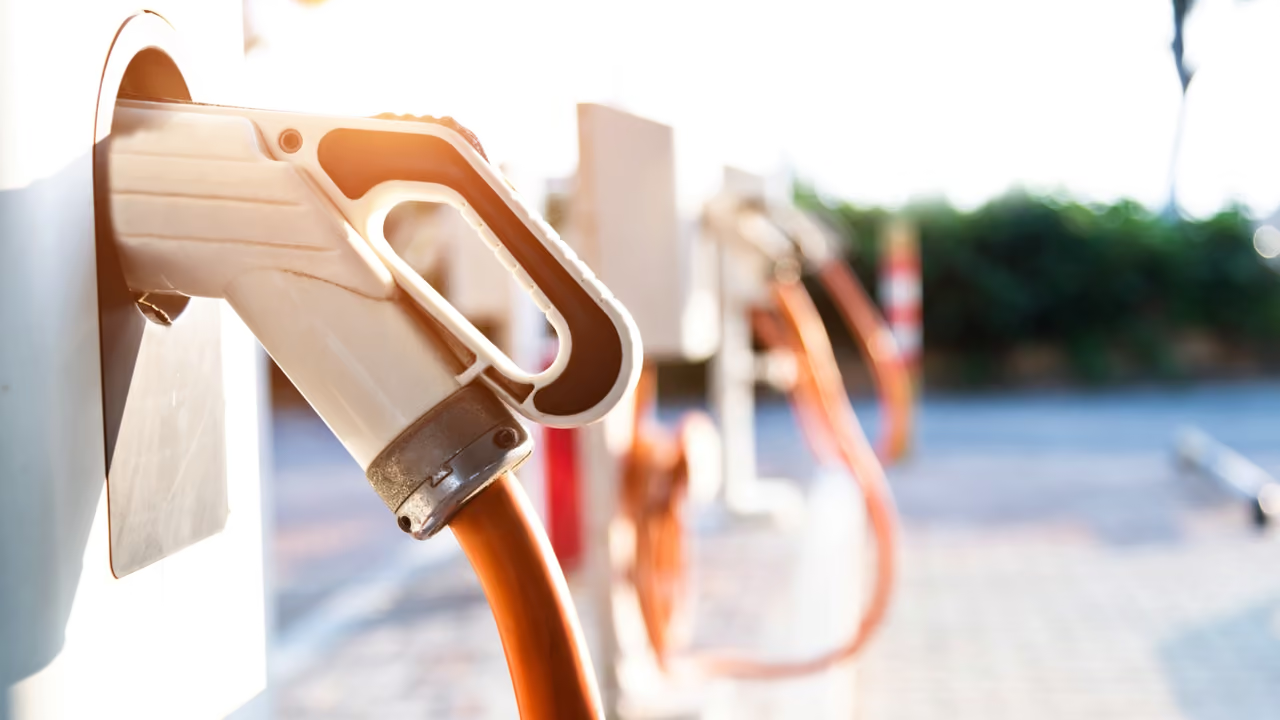
Electric vehicle charging stations are popping up everywhere. But their real impact on the environment depends on the energy behind them. Using renewable energy for EV charging is a smart way to cut emissions and ease pressure on power grids.
Renewable Energy Options for EV Charging
Renewable energy comes in many forms, each with pros and cons for EV charging. Solar panels are the most common. You often see them on canopies over charging spots or on nearby rooftops. Wind turbines can also supply power, but they need space and steady wind to work well. Hydroelectric and geothermal power usually feed into the grid rather than connect directly to chargers.
Some stations generate power on-site with solar panels or small wind turbines. They often pair these with batteries to store energy for times when the sun isn’t shining or the wind isn’t blowing. Another method is buying renewable energy certificates (RECs). These certificates prove that an equal amount of green energy is added to the grid somewhere else, offsetting the electricity used at the station.
Why Using Renewables at EV Stations Matters
- Lower Carbon Emissions Using clean energy cuts the greenhouse gases linked to charging EVs. This makes electric cars truly green, not just cleaner than gas vehicles.
- Less Stress on the Grid On-site solar or wind with batteries can supply power during busy times. This reduces peak demand and helps keep the grid stable.
- Saving Money Over Time After paying for installation, renewables lower running costs. They reduce the need to buy electricity, which can be expensive and unpredictable.
- Power When the Grid Fails Stations with their own energy sources can keep charging cars during blackouts. This boosts resilience, especially in remote or disaster-prone areas.
- Attracting Eco-Friendly Drivers More drivers want to charge at green stations. Using renewables makes a station stand out and draws in customers who care about the planet.
Challenges and How to Solve Them
Renewable energy at EV stations sounds great, but it’s not without problems:
- Unpredictable Power Solar and wind don’t always match when people want to charge. The sun sets, and the wind can die down.
- High Upfront Costs Installing solar panels, wind turbines, and batteries costs a lot at first.
- Managing Grid Connections Balancing local renewable power with the main grid needs smart control systems to avoid overloads or blackouts.
- Limited Space City stations often don’t have enough room for solar panels or turbines on site.
There are ways to tackle these issues. Battery storage is key. It saves extra energy when the sun shines or the wind blows, then releases it when needed. Smart energy management systems decide the best time to use solar, grid power, or stored energy. Some places build shared renewable setups that serve several stations, cutting costs and saving space. Governments also offer incentives and subsidies to help cover installation costs and speed up green upgrades.
Looking Ahead to Smarter, Greener Charging
The future of EV charging is tied to better renewables and smarter grids. Here are some trends to watch:
- Vehicle-to-Grid (V2G) Technology EVs can store energy and send it back to the grid or charging stations during peak demand. This turns cars into mobile batteries.
- Smart Charging Systems These will adjust charging times and rates based on when renewable energy is available. For example, charging more when solar power peaks midday.
- Microgrids and Community Solar Local energy networks with shared solar panels and batteries can support groups of stations and nearby homes or businesses.
- Wireless and Ultra-Fast Charging New tech will cut charging times and allow renewables to power stations without disrupting the user experience.
As cities and companies push for carbon neutrality, the link between renewable energy and EV charging stations will grow stronger. This is about more than just powering cars. It’s about changing how we produce, store, and use energy in transportation.